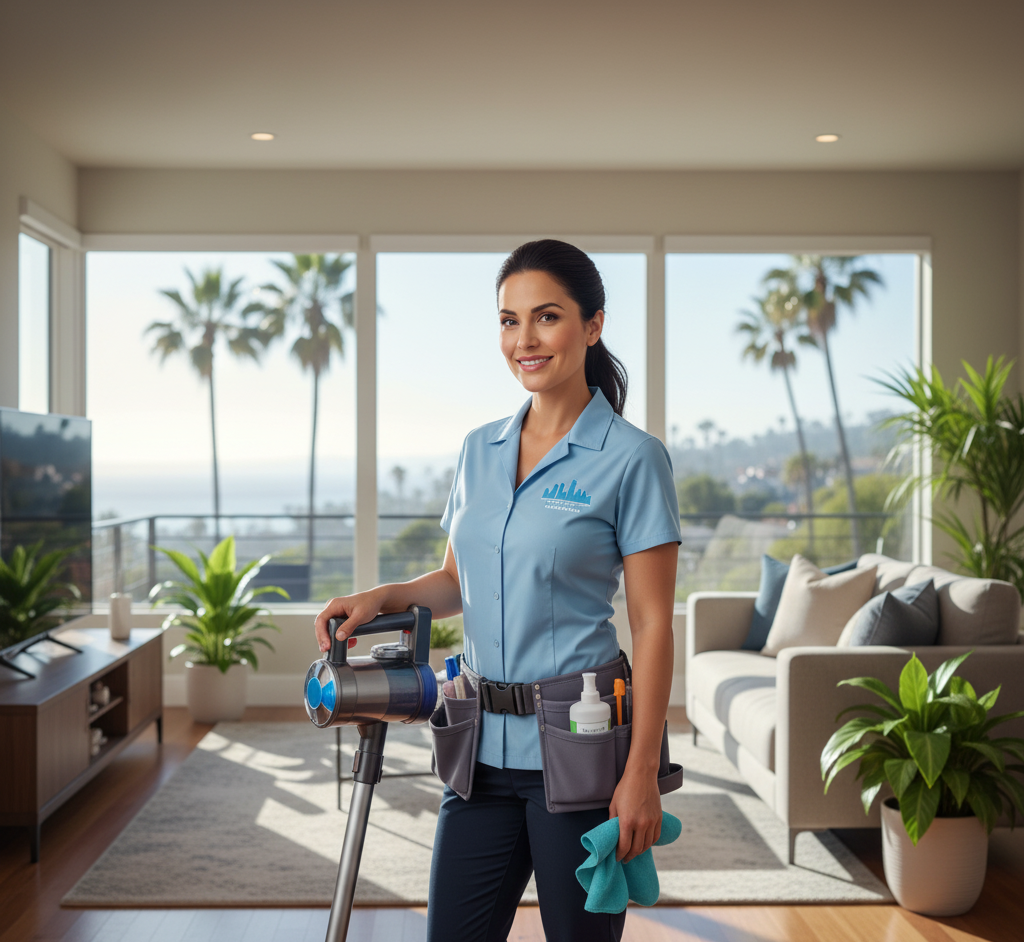
I know how hard it is to keep up with life and a clean home, which is why I recommend trusting local house cleaners when you need consistent, reliable help. If you’re worried about health and safety while inviting someone into your home, the CDC has clear guidance on cleaning to reduce spread of germs that I keep in mind when choosing services. In this guide I’ll walk you through what to look for, what questions to ask, and how to get the best value from professional cleaners in San Diego, CA and nearby neighborhoods like La Jolla, North Park, and Pacific Beach.
Why hiring local house cleaners makes sense
Hiring local house cleaners saves time and reduces stress. You don’t have to learn every cleaning technique, buy dozens of supplies, or spend precious weekend hours scrubbing. Local teams know the city’s lifestyles and typical home types, so they often tailor their approach to apartment tenants, families, and retirees differently. You also get the benefit of better scheduling, faster response times, and referrals that come from neighbors and nearby communities.
What “standard cleaning” really includes
Standard cleaning typically covers the daily, high-traffic tasks that keep a home feeling fresh. While packages vary by company, a typical standard clean focuses on living areas, kitchens, bathrooms, and general tidying rather than deep or specialty tasks. Here’s what I usually expect from a thorough standard cleaning:
- Dusting and wiping surfaces, reachable light fixtures, and baseboards
- Vacuuming carpets and rugs, sweeping and mopping hard floors
- Cleaning and sanitizing kitchen counters, sinks, exterior of appliances, and cabinet faces
- Cleaning and disinfecting bathrooms including toilets, sinks, showers, and mirrors
Questions to ask before you book
Asking the right questions helps you avoid surprises and ensures your home gets the care you want. I always ask candidates these core questions before booking:
- Are cleaners bonded and insured? This protects you and gives peace of mind.
- Do they perform background checks and vet employees?
- What exactly is included in the standard clean and what costs extra?
- Do they bring their own supplies or do they use mine, and do they offer green cleaning options?
How to compare pricing and value
Price is important, but lowest cost isn’t always best. Look for transparency: companies that provide a clear checklist or a simple price estimate are easier to trust. Pricing models commonly include flat-rate standard cleans, hourly rates, or customized quotes based on home size and condition. Consider these factors when weighing cost:
First, check whether the quoted price covers the whole team’s labor and supplies. Second, ask how they handle special requests like oven cleaning or refrigerator cleaning—these are often extras. Finally, read reviews or ask neighbors about reliability; a slightly higher hourly rate can be worth it if the team shows up on time and consistently does thorough work.
Top red flags and deal-breakers
When evaluating local house cleaners I watch for a few warning signs. Avoid providers who refuse to offer an itemized list of services, won’t confirm insurance or bonding, or insist on cash-only payments without receipts. Also be careful if a company uses pressure tactics for long-term contracts or refuses to provide references. Trustworthy pros will answer questions clearly and offer flexible scheduling without forcing commitments.
Green cleaning and indoor air trends
Eco-friendly cleaning is a growing trend, especially in urban neighborhoods where residents are more health-conscious and pet-friendly. Many homeowners want cleaners who use plant-based products or low-VOC options to protect indoor air quality, especially after increased awareness of airborne health risks. Another trend is integrating human cleaning with smart-home tools—sharing schedules through apps, noting special instructions via text, or coordinating with robotic vacuums for daily upkeep.
How trends affect your choice
If indoor air quality is a priority, ask if the cleaning team uses HEPA-filter vacuums and low-chemical products. For busy households that rely on tech, choose a provider that communicates digitally and offers recurring scheduling. Those two trends together mean you can enjoy a cleaner home that’s also safer for kids, seniors, and pets.
Checklist: What to do before cleaners arrive
Preparing your home helps the cleaning team be more efficient and can lower the total cost for hourly services. I follow a short pre-clean routine that only takes 10–15 minutes and makes a big difference:
- Pick up clutter like toys, mail, and clothing to let cleaners focus on surfaces.
- Secure valuables and store prescription medications out of sight.
- Write or text any special instructions—stains, fragile items, or areas to avoid.
How to get the most from recurring cleanings
Recurring cleanings are where homeowners save the most time and get consistent results. When setting up weekly or biweekly visits, I recommend an initial deep clean to reset the home, followed by standard cleans to maintain it. Communicate a lasting checklist so the team knows your priorities: whether it’s a focus on bathrooms, kitchen detail, or dust control in living areas. Over time, recurring service can reduce the frequency of deep cleans, which are usually more expensive.
When to ask for a deep or specialty clean
Standard cleaning is ideal for regular upkeep, but some situations call for deeper work. Ask for a deep clean or add-on services if you’re moving in or out, preparing for guests, or dealing with accumulated grime that standard visits can’t remove. Specialty options often include:
– Deep-cleaning baseboards and vents
– Inside oven and refrigerator cleaning
– Window washing and blinds cleaning
Scheduling a deep clean seasonally or before big life events will keep your home healthier and more presentable.
Actionable tips to maintain a cleaner home between visits
You don’t need to spend hours to keep your home functioning between professional visits. These small habits reduce buildup and help cleaners focus on deep tasks:
- Wipe spills immediately in the kitchen and bathroom to prevent stains.
- Run a quick vacuum or sweeping routine in high-traffic zones daily or every other day.
- Keep a small caddy of essentials (multi-surface spray, microfiber cloth) to make quick touch-ups easy.
- Make small, daily decisions—five minutes tidying in the evening prevents weekend catch-up sessions.
How to make an effective cleaning brief for the team
Clarity is the secret to good results. I prepare a one-page brief for cleaners that highlights priorities, pet instructions, locked rooms, and preferred products. Include photos if needed for areas that need special attention. Most professional teams appreciate concise directions because it reduces guesswork and helps them deliver the exact outcome I want.
Safety, insurance, and what to expect after service
Always confirm that the company carries liability insurance and bonding. This protects you in case of accidental damage or loss. After a session, do a walk-through with the team leader and point out anything that needs follow-up. A reputable team will address concerns quickly and use feedback to improve future visits.
How technology is improving local service
Modern cleaning companies often use simple apps or scheduling platforms to let you book, cancel, and leave notes. Some provide photos of completed work or checklists showing what was done during the visit. These tools create transparency and reduce miscommunication. If you prefer human contact, make sure your chosen provider also offers direct phone or text support and a clear escalation path for any issues.
Common mistakes homeowners make when hiring cleaners
People sometimes assume all cleaning companies are the same. That’s not true. Common mistakes include hiring purely on price, failing to confirm service details in writing, and not asking about insurance or background checks. Another mistake is not starting with a clear priority list, which can lead to dissatisfaction when teams focus on different tasks than you expected.
Local perks and neighborhood considerations
Hiring local house cleaners often brings neighborhood-specific benefits: nearby providers may have experience with older homes and coastal properties, know how to handle salt and sand issues, and understand local allergens and air quality concerns. In San Diego, features like tile floors, coastal humidity, and pet-friendly yards can guide the cleaning approach. Choosing a provider familiar with your neighborhood means fewer surprises and better results.
Final checklist before you book
Use this short pre-book checklist to feel confident about your choice:
- Confirm the exact services included in the standard clean and any add-ons needed.
- Verify insurance, bonding, and background checks when requested.
- Ask about green product options and equipment like HEPA vacuums.
- Request a clear, written estimate and the cancellation policy.
Wrapping up: how to decide right now
If you want a quick decision process, start with an initial deep clean followed by a recurring standard cleaning cadence. Ask for a written checklist, verify insurance, and set a trial run to see how the team performs. If communication is smooth and the results meet your priorities, a recurring schedule usually delivers the best long-term value and a consistently comfortable home.
When you’re ready to connect with professional help in San Diego or nearby neighborhoods like North Park, La Jolla, or Pacific Beach, consider a team that offers clear pricing, background-checked staff, and green cleaning options. For a friendly, reliable service that understands this area and what busy households need, I recommend reaching out to 4 Senses House Cleaning to get a custom quote and schedule your first clean.