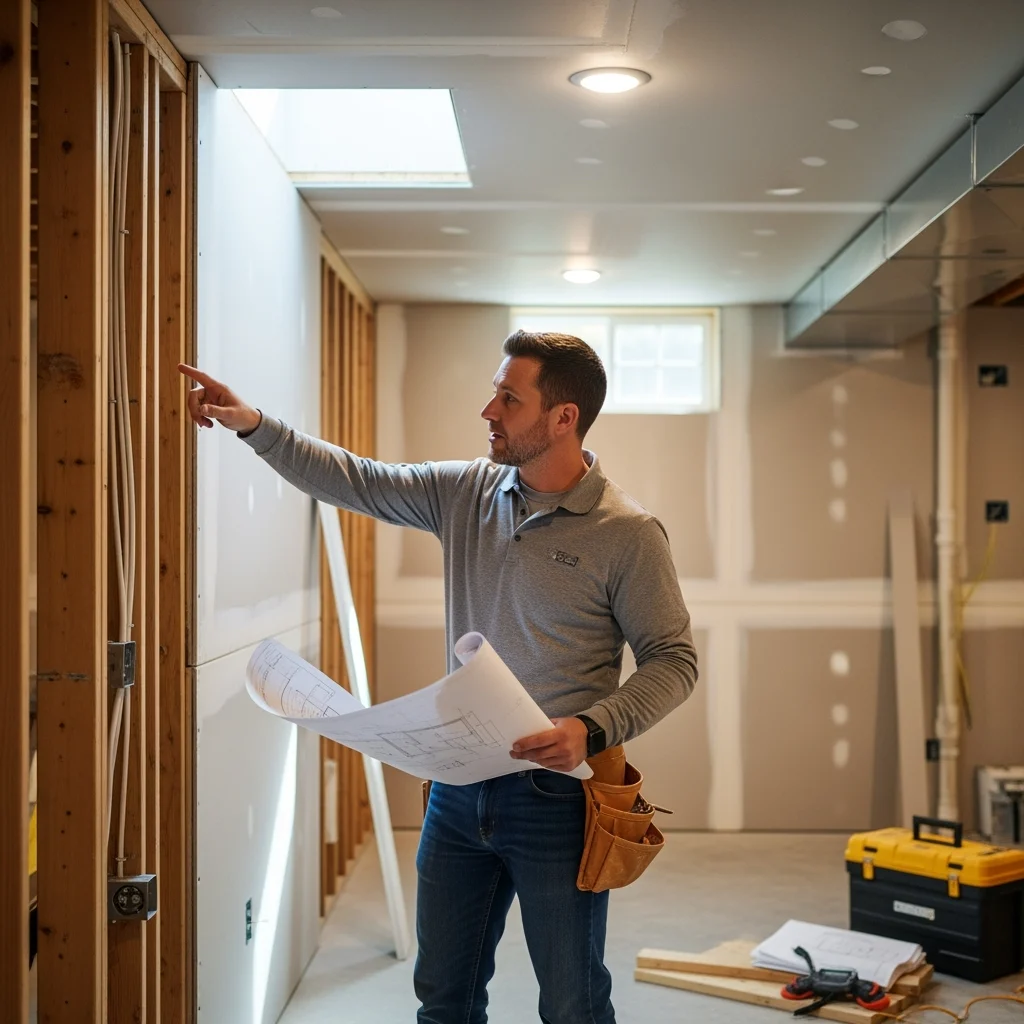
I’ve helped homeowners think through every inch of a basement remodel, and I know how important it is to start with reliable information and a clear vision. If you’re searching for Athens GA basement finishes services, you’re in the right place to learn what matters most before you pick up the phone. For local context and demographic trends that can affect renovation planning, you can visit the U.S. Census Bureau to see recent data about the community and housing trends.
Why finish a basement in Athens GA now
Finishing a basement can do more than add square footage — it lets you adapt an underused area into something your family needs today. In Athens, older homes with solid bones and spacious lots give owners a great opportunity to create extra living space without moving. Whether you live near Downtown Athens, Five Points, Normaltown, or along Prince Avenue, a finished basement can increase your home’s functionality, comfort, and resale appeal.
There are a few local drivers that make basement finishes practical right now. Low supply and high demand for homes in the area mean well-done renovations can offer strong returns, while more people working from home continue to need dedicated office and media spaces. Also, trends toward sustainable materials and smart-home integrations make modern basement projects both comfortable and future-ready.
Popular basement finish ideas that work in this area
Athens homeowners tend to favor flexible spaces that serve more than one purpose. Below are common ideas that consistently deliver value and enjoyment in this region’s homes.
Home theater and media rooms
Basements are naturally suited for darker, quieter spaces — perfect for a media room. I recommend acoustical treatments, LED lighting with dimming zones, and an efficient HVAC plan so the space stays comfortable during long movie nights without heating or cooling the rest of the house unnecessarily.
Accessory dwelling units and rental suites
If your property and local code allow it, converting a basement into a separate rental unit or in-law suite can help offset mortgage costs. You’ll need a dedicated entry, egress-compliant windows or doors, a compact kitchenette, and proper ventilation. These spaces are in demand in college towns and neighborhoods close to campus where short-term rentals and student housing are part of the market.
Home gym, studio, or hobby room
Durable flooring, proper moisture control, and soundproofing make a basement gym or art studio practical and low-maintenance. You can create a room suited to daily use without sacrificing the main living areas above.
Multi-use family rooms and play spaces
Open-plan basements that combine a lounge area with a homework nook or a play corner give families room to spread out while staying connected. Built-in storage and custom shelving help keep these flexible spaces organized for long-term use.
Two trending topics changing how homeowners design basements
Trends in basement finishing evolve quickly. Two current themes I see locally and nationally are sustainable finishes and smart, multi-functional design.
First, sustainable materials like low-VOC paints, recycled-content carpeting, and formaldehyde-free cabinetry reduce indoor pollutants and appeal to buyers who prioritize healthy homes. Second, smart-home technology — integrated lighting scenes, zoned heating, and app-controlled shades or AV — turns a basement from just another room into a modern, connected living area that’s easy to manage and energy efficient.
How to plan your basement project: a simple step-by-step approach
Start with a realistic plan and you’ll avoid surprises. Here’s a four-step process I use when advising homeowners so projects run on schedule and on budget.
- Set goals and priorities: Decide what the primary function of the space will be — entertainment, rental income, workspace, or a combination. Rank must-haves and nice-to-haves.
- Assess the space: Check for moisture, head height, existing mechanicals, and stairs or egress issues that could require structural work or re-routing systems.
- Establish a budget and timeline: Build in contingency and plan phases if you want to spread costs over time. Clarify who will handle permits and inspections early to prevent delays.
- Choose finishes and systems: Pick flooring, lighting, insulation, and HVAC solutions that match how you’ll use the room and the local climate.
Permits and local requirements
I always recommend contacting the Athens-Clarke County building department early, because egress, electrical, and plumbing rules influence design and cost. A qualified contractor will usually handle permit applications, but you should confirm who is responsible and what inspections are required so nothing is overlooked.
Moisture, insulation, and comfort: technical issues you must solve first
Moisture control is the foundation of any successful basement finish. Even small damp spots lead to mold, odor, and long-term damage if left untreated. Effective moisture strategies commonly include interior drainage, a vapor barrier, perimeter drainage systems when needed, and properly sloped exterior grade and gutters to keep water away from the foundation.
Insulation and thermal breaks are next. Insulating the foundation walls rather than the rim joist or floors often achieves better long-term performance and helps control HVAC loads. Combine that with proper air sealing around windows, doors, and penetrations to reduce drafts and improve comfort.
Ventilation and HVAC
Basements often need dedicated airflow to avoid stale or humid air. A heat-recovery ventilator (HRV) or an energy-recovery ventilator (ERV) can provide fresh air without wasting energy. In many projects, extending an existing HVAC system with a zoned control, or adding a compact ductless mini-split for heating and cooling, gives the best balance of comfort and efficiency.
How to choose the right contractor in Athens GA
Not all contractors offer the same quality or approach. I look for a few key traits when recommending a team: local experience, clear written proposals, a visible portfolio of recent basement projects, and good communication. Because finishing a basement often uncovers hidden issues, a contractor who explains risks and offers phased options demonstrates professional judgment I trust.
When vetting a contractor, consider these practical signals of reliability: prompt responses, detailed contracts that list materials and schedules, a willingness to explain permitting and inspection steps, and reviews or references that describe real outcomes. Also ask about warranty terms and post-project support so you know what to expect if problems appear after completion.
Questions to ask before signing
Use these direct questions in your initial meetings to gauge preparedness and fit:
- How do you handle moisture issues or unexpected structural discoveries?
- Who manages permits and inspections for this project?
- Can you provide a detailed written estimate and a phased payment schedule?
- Do you provide references for projects in the Athens area that I can contact?
Cost expectations and return on investment
Costs vary depending on scope, finishes, and hidden conditions, but most quality basement finishes start with a base investment that covers moisture control, insulation, basic electrical and HVAC, and code-compliant egress. Upgrades such as kitchens, bathrooms, custom millwork, or high-end theater systems increase the price but can also raise home value and appeal. I always recommend prioritizing systems that protect the structure — moisture mitigation and insulation — before spending heavily on surface finishes.
Think in terms of value rather than lowest price. A well-executed finish that solves moisture and comfort issues will cost less over time because it avoids repairs and reduces energy waste, while delivering usable square footage that’s often the most affordable way to expand functional living areas compared with moving to a larger home.
Common pitfalls and how to avoid them
Successful projects avoid these frequent missteps: skipping moisture tests, underestimating required storage and lighting, and not planning for utilities. I advise homeowners to plan storage solutions early, design layered lighting for multiple uses, and verify that the electrical panel has capacity for new circuits to avoid costly mid-project upgrades.
It’s also important to plan for future flexibility. A layout that allows easy changes — like non-load-bearing walls or accessible wiring chases — makes it simple to reconfigure the space down the road without major demolition.
Maintenance tips to keep your new basement in top shape
Once the project is finished, a few simple habits keep the space comfortable and healthy for years. Regularly inspect the foundation area for signs of moisture, keep gutters clear so water flows away from the house, and maintain indoor humidity levels between 30–50 percent to prevent mold growth. If you installed a mechanical ventilation system, follow the manufacturer’s maintenance schedule for filters and servicer checks.
Quick decision checklist before you start
Before you commit, run through this short checklist to confirm your project is ready to move forward:
- Defined purpose and priorities for the new space with a flexible design plan.
- A clear budget with contingency and a realistic timeline.
- Preliminary moisture and structural assessment completed.
- A shortlist of qualified local contractors with written proposals and references.
Finishing a basement in Athens GA can be one of the most rewarding improvements you make to your home. With attention to moisture, insulation, and a thoughtful plan that reflects how your family uses space today, you’ll create durable, comfortable rooms that boost daily life and long-term value. If you’re ready to explore options, compare bids, or just want a walkthrough of possibilities and local code considerations, I recommend contacting a trusted local team for a site visit and estimate. For a skilled local crew familiar with the Athens area and basement finishes, visit Tipton’s Fine Tuned Carpentry to request a consultation and learn how they can help turn your basement into the space you need.